Talespinner Storybook Encounters Guide
Spend Story Points on the right pages—middle encounters shape your deck more than you think.
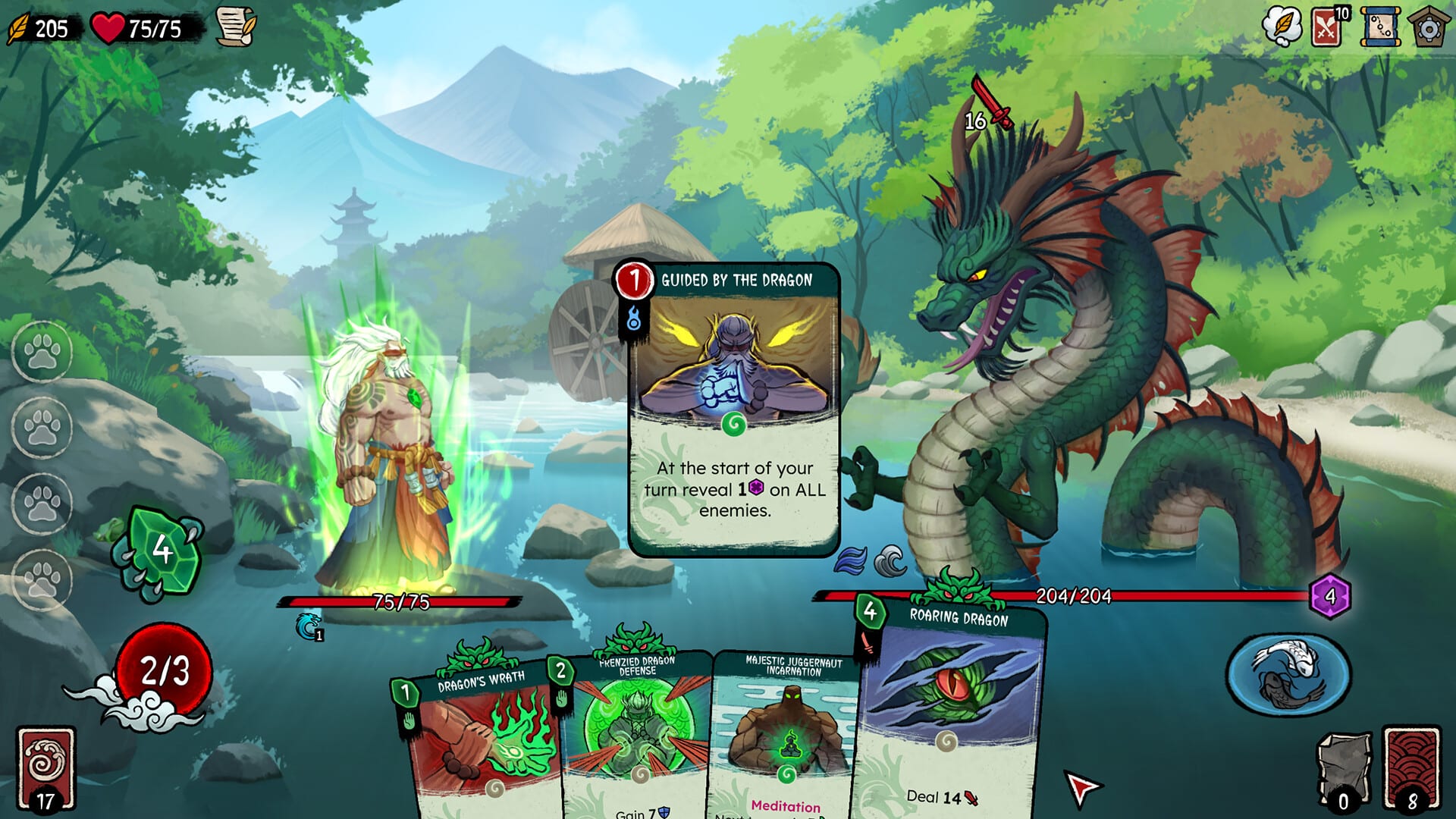
The Storybook is Talespinner’s narrative layer between major combat nodes. Instead of only fighting along a linear map, you spend Story Points to open optional pages—extra battles, events, shops, story beats, and branches that can fix or warp your deck before the biome boss. Middle encounters are where strong runs are built and weak runs bleed HP for little reward. This guide explains how Story Points work, what types of pages exist, and how to spend without arriving at the finale with perfect cards and no health.
Read How to Play for where the Storybook sits in a full run, and use the dedicated Story Points tool when you want quick math on typical costs. Combat outcomes still follow Combat Basics; boss pacing follows How to Beat Bosses.
What Story Points are
Story Points are currency earned during a run that unlock Storybook pages. You cannot buy every page on a typical route—earning more points or spending efficiently is a core skill. Points are not redeem codes or meta-shop cash; they exist only inside the current run unless the game explicitly converts leftovers at scenario end.
Think of Story Points as tickets to optional chapters. Skipping chapters saves time and HP but can leave deck holes. Buying too many combat chapters grants cards and upgrades at the cost of HP and tempo.
Types of Storybook encounters
Combat pages add fights beyond the main path. Rewards usually include card drafts, upgrades, or gold-like resources depending on biome rules. Take combat pages when your deck is stable, your HP is healthy, and you still lack answers for upcoming enemy types.
Shops and fix pages let you buy cards, remove dead draws, or patch specific weaknesses. These are often the highest value pages for players who already know their deck’s hole—missing block, weak spot reach, or draw. Cross-check picks with the deck synergy tool before you spend scarce gold.
Event and narrative pages present choices: risk HP for relic-like bonuses, trade cards, or meet spirits outside normal combat. Some events mirror charm vs fight decisions without a standard battle UI. Read options fully; irreversible trades are common.
Branch pages split the Storybook toward different biomes, companions, or scenario flavor. When running themed paths like Hanzo Hattori or Yuki Onna, branches align with Scenarios Overview—preview that page before you lock a branch you did not intend.
Spending priorities by run stage
Early Storybook (first act): favor fixes that stop HP loss on common yokai—block, simple damage, or one weak spot card. Avoid triple combat pages if you already took damage in mandatory fights.
Mid run: spend on shops that remove bricks or add draw. If you play Gyokushin, this is where Dragon Cards and Jade pieces should start clustering; use builds as a reference, not a script.
Late Storybook (pre-boss): prioritize survival pages over greedy upgrades unless you are comfortably above half HP and the boss guide’s checklist is already met. One bad optional fight can erase ten good drafts.
Storybook vs main path fights
Main path fights advance the scenario and often gate biome progression. Storybook fights are optional except when a scenario forces a page for narrative reasons. Optional does not mean free—each page consumes Story Points and usually time in real life.
Players who ignore the Storybook entirely sometimes reach bosses with intact HP but underpowered decks. Players who buy every combat page arrive with great cards and lose to a single boss telegraph because HP ran dry. Balance is the goal.
Companions, charms, and Storybook overlap
Charm outcomes from yokai can grant companions that also appear in event pages. If you plan to charm frequently, expect fewer combat drafts—compensate with shop pages that add raw power or defense. Companion rules tie back to Players and charm guidance on Charm vs Fight Yokai.
Scenario and biome differences
Biomes change which Storybook pages appear in the pool. A page that is average in one biome can be excellent in another if enemy types shift. After patches, pools can change—read Updates when developers adjust Story Point income or page costs.
Mistakes that waste Story Points
Buying combat pages when HP is below half and block is thin. Skipping shops while carrying three dead draws. Chasing narrative branches without reading biome consequences. Hoarding Story Points until the book closes unused. Copying tier list routes from creators who play higher risk than you do.
Workflow for one run
Before spending, name your deck’s biggest problem in one sentence. Open the Storybook and pick the page type that solves it—shop for holes, combat for rewards only if HP allows, events when text clearly helps defense. After the page resolves, update that sentence. Repeat until the boss node.
New players should pair this guide with Getting Started. Veterans optimizing scenario clears should loop Guides hub, review for difficulty context, and boss prep from How to Beat Bosses.
Storybook mastery is what separates Talespinner from a pure combat ladder. Points are limited; make each page earn its place in the story you are actually playing.
Frequently Asked Questions
Quick answers to the most common Talespinner questions.
What are Story Points in Talespinner?
Story Points are run currency that unlock optional Storybook pages—fights, shops, events, and branches between major encounters.
Should I take every Storybook combat page?
No. Take combat when HP and block are stable and you need rewards. Skip or choose shops when you are low on HP or missing core deck tools.
Where is the Storybook in the run order?
It appears between major nodes after you earn Story Points. How to Play outlines the full loop from hero select to boss.
Do Storybook choices affect scenarios like Yuki Onna?
Yes. Branches and events can shift biome flavor and rewards. See Scenarios Overview before locking a themed path.
Is there a calculator for Story Points?
Use the Story Points tool on this wiki for spending priorities and typical costs alongside this guide.