Talespinner Cards Tier List
Letter bands are guidance—hero kits and scenarios rewrite value every run.
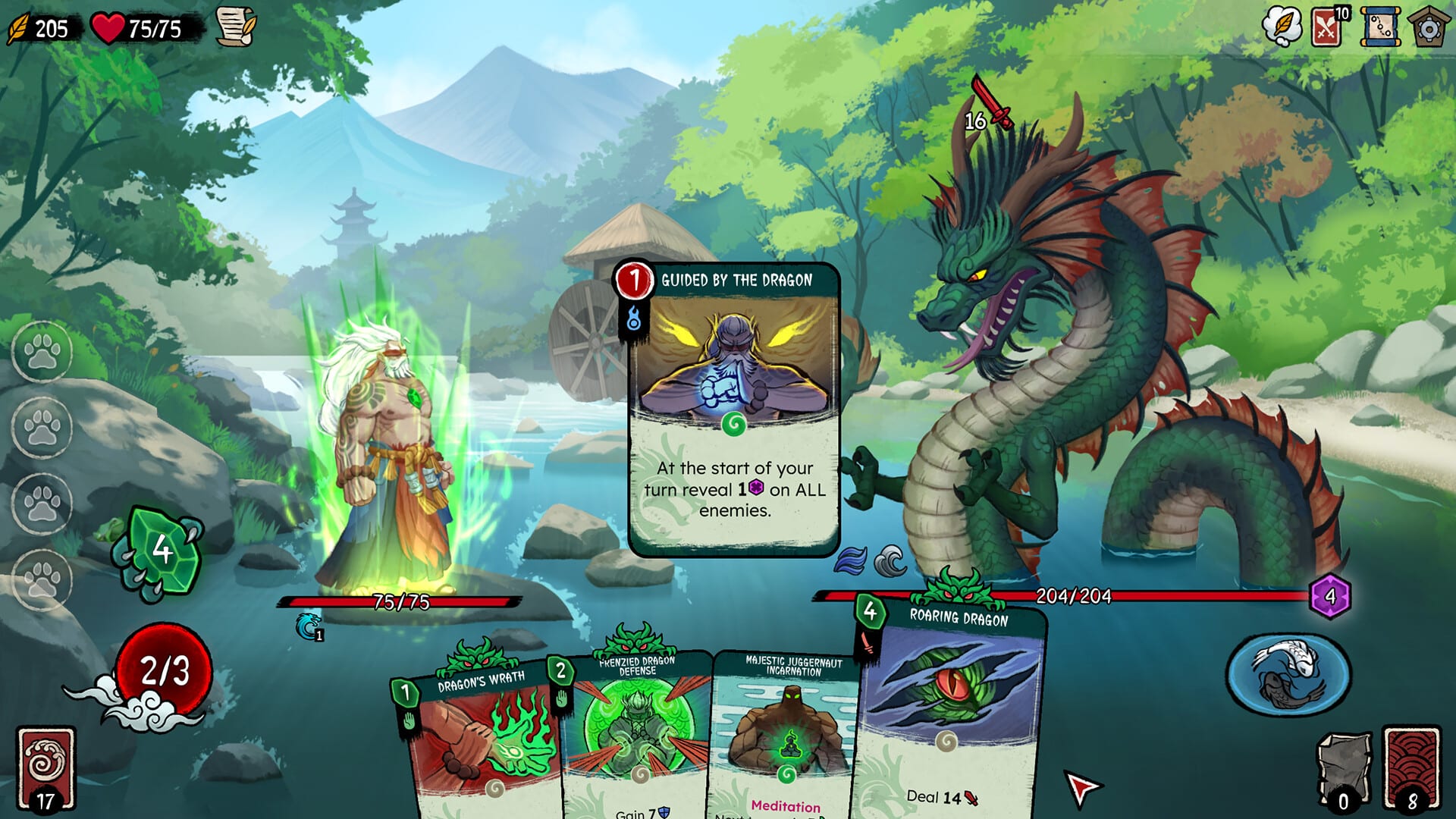
Talespinner’s card pool exceeds two hundred battle cards once you combine neutral rewards, hero exclusives, upgrades, and scenario-flavored offerings. No static list captures every seed, but this page gives break-tie guidance when the reward screen shows three unfamiliar names. Treat tiers as wiki opinion grounded in launch mechanics and demo balance notes—not as rules enforced by Flash Cat Games or Kwalee.
Read Tier List Hub for how we label bands, then cross-check hero identity on Gyokushin or Hero Comparison before hard-committing to a pick.
Universal staples (most heroes)
These neutrals tend to stay A-tier across runs because they solve common biome problems: chip damage, block, draw, or weak spot access.
Block and stabilization — A tier. Efficient block that does not exhaust your hand keeps you alive while you set up payoffs. On Gyokushin, block buys turns to channel Jade; on tempo archetypes, block is a bridge until kills land.
Draw and cycle — A to S tier. Talespinner fights punish dead hands when elites apply Nasty Cut or Prank statuses (see dev boss diaries). Draw that respects your energy curve beats raw damage that sits unplayable.
Weak spot helpers — A tier, S on Gyokushin. Any card that reveals extra weak spots or triggers Exposed bonuses jumps a band for Gyokushin specifically. Other heroes still value spot breaks on bosses but may not build around them.
Removal-friendly strikes — B to A tier. Attacks that do not bloat your deck remain valuable when shops offer cuts. Skipping removal events eventually caps damage.
Gyokushin-specific bands
Gyokushin cards should be read through Jade, Dragon Cards, Fury, and Exposed lenses.
S tier — Jade engines and Dragon payoffs. Channel outlets, Jade generators, and Dragon Cards referenced in dev materials (including high-cost finishers like Death Between Heartbeats after demo revisions) define winning runs. Crushing Stomp-style scaling that counts Dragons belongs here when you already draft Dragon density.
A tier — Fury setup and Exposed riders. Cards such as Dragon’s Wrath that grant Fury and enable follow-up attacks are core burst tools. Shattering Grasp-style effects that punish Exposed enemies help elite fights.
B tier — Generic attacks without synergy tags. Playable early, replaced mid-run unless they also channel or reveal spots.
C tier — High-cost attacks without Jade or spot synergy. These cards steal turns Gyokushin should spend banking Jade.
D tier — Symmetrical curses or dead draws without upside. Take only when forced by events; prioritize removal at next shop.
Patch notes already changed channel values on Power-type cards and adjusted Fists Follow Fury—confirm text after Updates.
Status and curse answers
Cleanse or ignore — A tier when elites apply hand disruption. Meditation-style cards that resist negative statuses (mentioned in demo patch notes) spike when Ronin or Kitsune appear in your path.
Rotten Fish and junk shuffles — C tier as rewards, D as forced inserts. Demo patches lowered some costs but junk remains a tempo tax.
Scenario-flavored rewards
Hanzo pursuit routes — tempo rewards rise. Cards that frontload damage move up a band if you chose Hattori Route and lack time to scale.
Yuki Onna hunts — control and status rise. Slow value cards move up if you read Yuki Onna Route and expect longer fights.
Scenario shifts do not change Gyokushin’s Jade math—they change how many setup turns you afford.
Upgrades and shops
Upgrade events — treat as +1 band for cards already in your plan. Upgrading a C-tier generic strike rarely beats upgrading a channel card.
Shop removals — S-tier opportunity cost. Removing a dead draw is often better than adding a B-tier power. Use the deck synergy tool when unsure.
Cards we deliberately do not over-rank
One-off novelty powers that require three other pieces stay B or C until your run proves the combo online. Talespinner’s depth comes from 200+ cards, not from forcing every synergy each run.
Using this list in combat
When rewards tie:
- Does the card help next fight’s telegraph (block, cleanse, spot break)?
- Does it advance your hero win condition (Jade, tempo kill, charm plan)?
- Does it worsen deck thickness without payoff?
If still tied, pick fun—roguelikes reward learning more than obeying letters.
Related pages
- Builds Tier Guidance — directed strategies
- Companions Tier List — spirits that mimic card effects
- Combat Basics — weak spots and motes
- Updates — balance changes
Frequently Asked Questions
Quick answers to the most common Talespinner questions.
Are hero-exclusive cards tiered separately?
Yes. Gyokushin bands assume Jade and Dragon payoffs. Unnamed heroes will get sections when kits are verified.
Why is my favorite card ranked low?
Tiers measure average run value, not highlight reels. Synergy builds can elevate C-tier cards—see Builds Tier Guidance.
How often will this page update?
After major patches listed on Updates and when new heroes receive public kit breakdowns.
Do upgraded cards share the same tier?
Upgrades usually shift a card up one band if the upgrade text fixes its weakness (cost, damage, or channel value).