Talespinner Hero Comparison
Match hero mechanics to how you like to win fights—not to invented tier labels.
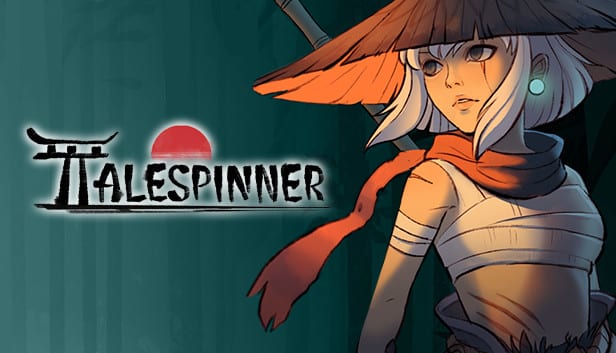
Choosing a hero in Talespinner is closer to picking a different deckbuilder ruleset than picking a skin. Flash Cat Games ships three heroes at the 2026-08-06 Steam and Switch launch, each with exclusive cards, upgrades, and combat verbs. This comparison helps you commit before you sink Story Points into a scenario that fights your instincts.
We name Gyokushin because developer diaries document him thoroughly. For the other two launch heroes, we use archetype descriptions only—no invented proper names—until Kwalee publishes verified profiles. Tier lists elsewhere on the wiki remain guidance; your best hero is the one whose loop you can execute under pressure.
Comparison at a glance
| Lens | Gyokushin (named) | Archetype A — tempo | Archetype B — control |
|---|---|---|---|
| Pace | Slow setup, explosive payoffs | Fast kills, fewer banked turns | Long fights, charm-friendly |
| Defense | Strong block tools in demo kits | Relies on ending threats early | Status, charm, and attrition |
| Skill floor | Medium—resource sequencing | Lower if you already aggro in STS-likes | Higher—branching event literacy |
| Signature resource | Jade + Dragon Cards + Fury | Motes spent every turn (typical) | Charm/companion synergies |
| Weak spots | Core payoff via Exposed | Still useful, less central | Useful on bosses, not always built-in |
| Best wiki page | Gyokushin | Updates when named | Updates when named |
Replace archetype rows with dedicated pages the day official names and kits drop.
Gyokushin — when to pick him
Pick Gyokushin if you enjoy planning two-turn sequences and reading enemy weak spot UI. His loop—reveal spots, become Exposed, channel Jade, pay for Dragon Cards, spike with Fury—rewards patience. He is the wrong choice if you want to mindlessly play every attack card every turn; channel turns feel like “doing nothing” until they suddenly end fights.
Gyokushin also teaches Talespinner systems that transfer to other heroes: weak spots appear on many enemies, Storybook nodes still matter, and companions still modify outcomes. Learning on Gyokushin makes Combat Basics easier because the demo is built around him.
Avoid forcing Gyokushin on players who dislike mathy sequencing. Send them to Archetype A below instead.
Archetype A — tempo and pressure (unnamed hero)
Broad preview language positions one launch hero as the pressure option: spend motes aggressively, take fights before enemy patterns mature, and draft strikes that reward consecutive kills. This archetype aligns with players who abandon runs when they must hold cards for later.
Scenario fit is narrative, not mechanical, but many players pair tempo heroes with the Hanzo Hattori route fantasy—being hunted keeps the map moving forward. Tempo heroes still need block; they just tolerate less setup than Gyokushin.
Draft priorities:
- Cheap damage and draw before luxury synergies
- Elite kills over optional Storybook greed when HP is only average
- Companions that add immediate damage rather than delayed scaling—see Companions Tier List with that filter
Weakness: bosses with multi-phase damage checks punish players who arrive with thin defensive decks. Read How to Beat Bosses early.
Archetype B — charm and control (unnamed hero)
The second unrevealed profile suits control-minded players: charm yokai when the branch pays more than combat loot, lean on statuses, and let companions reshape rules. This is the hero to consider if Charm vs Fight Yokai is your favorite guide page before you even start a run.
Scenario fit often overlaps with Yuki Onna thematically—cold, patient hunts—but you can run any hero in any scenario. Control heroes tolerate longer fights and may prefer Story Points spent on events that grant companions or debuffs instead of raw card rewards.
Draft priorities:
- Answers to enemy abilities that disable hands (Prank, Nasty Cut, etc.)
- Companions with passive value over active burst
- Removal or upgrade events when your deck bloats from charm rewards
Weakness: slow starts. If you cannot stabilize early biomes, tempo enemies will end runs before your plan online.
Scenarios versus heroes
Scenarios choose which myth you chase—Hanzo’s ninja clan or Yuki Onna’s mountain curse—not which hero you play. A tempo hero can run Yuki Onna; Gyokushin can run Hanzo. Use Scenarios Overview to pick story flavor, then use this page to pick combat flavor.
Storybook choices remain hero-agnostic but not hero-neutral: spending currency on shops helps Gyokushin remove dead draws, while charm-heavy heroes may prefer event chains that spawn companions.
Who should switch heroes?
Switch when you lose runs for systemic reasons, not bad luck.
- If you never spend Jade, stop playing Gyokushin until you read his page—or switch archetype.
- If you die with full hands of unplayable cards, try a hero with simpler curves (Archetype A).
- If you ignore charm buttons and still pick Archetype B, you are fighting the kit—either charm more or swap heroes.
After a clear, rotating heroes keeps Talespinner’s 200+ cards fresh. Track unlocks on Updates and compare card priorities on Cards Tier List.
Related pages
- Characters Hub — roster links
- Gyokushin — Jade monk deep dive
- Builds Tier Guidance — directed goals per run
- Review — overall game impression
Frequently Asked Questions
Quick answers to the most common Talespinner questions.
What is the strongest hero in Talespinner?
There is no permanent S-tier hero. Gyokushin is best documented, but tempo and control archetypes excel in different scenarios and player hands. Tier lists here are guidance.
Why are two heroes unnamed on this page?
Public dev materials confirm three heroes but only Gyokushin has a full breakdown so far. We avoid inventing names that could contradict official announcements.
Can I swap heroes mid-run?
No. Hero choice locks at run start. Scenario and Storybook choices remain flexible within that run.
Does hero choice affect companions?
Yes indirectly. The same companion may shine on a control hero and be merely okay on a tempo hero depending on payoffs.